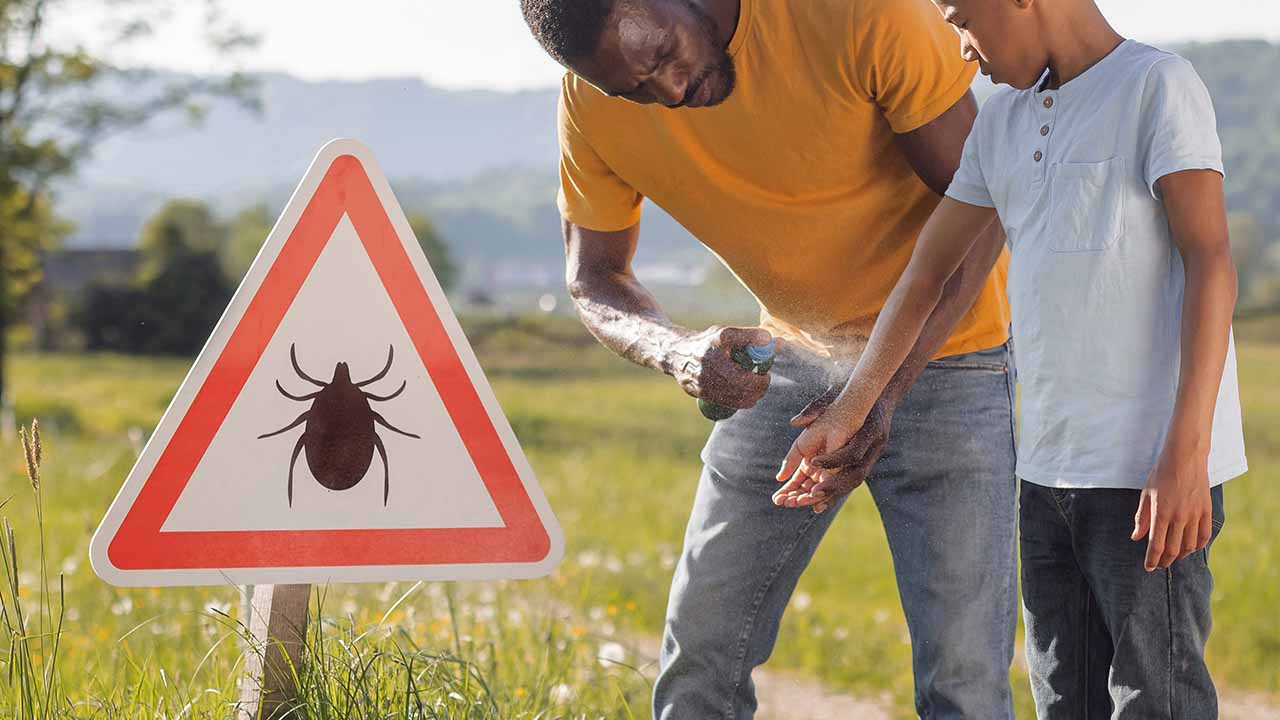
Lyme disease is a common illness that can have long-term effects on your health. It's caused by a bacteria called Borrelia burgdorferi, which is transmitted through the bite of infected blacklegged ticks, also known as deer ticks. This tick is frequently carried by white-tailed deer but can be found on other animals, too.
Common in New England, blacklegged ticks often live in grassy, bushy, or wooded areas. They can be found about knee-high near the tips of branches of shrubs and grasses. This allows them to easily attach themselves to humans and animals.
Spotting the Signs: Early Symptoms of Lyme Disease
The first signs of Lyme disease usually show up anywhere from three to 30 days after a tick bite. The most well-known symptom is a "bull's-eye" rash. This rash starts at the site of the bite and slowly gets bigger, sometimes reaching up to 12 inches across. It often has a clear center, making it look like a target. However, some people might not get the bull’s-eye rash, only have a red rash, or get no rash at all.
Other early symptoms of Lyme disease can feel like having the flu. These include fever, chills, headaches, tiredness, muscle and joint aches, a stiff neck, and swollen lymph nodes. If you notice any of these symptoms, especially after being outdoors, it's important to talk to your primary care provider right away.
What Happens if Lyme Disease Isn't Treated?
If Lyme disease isn't caught and treated early, it can spread to other parts of your body weeks or even months later. This can lead to more serious issues, affecting your joints, nervous system, and even your heart.
Later symptoms might include:
- Joint pain and swelling: Especially in your knees, leading to arthritis.
- Nerve problems: Such as weakness, numbness, facial paralysis (like Bell's palsy), or memory issues and "brain fog."
- Heart issues: Though rare, Lyme disease can cause an irregular heartbeat.
Getting Better: Treatment for Lyme Disease
The good news is that Lyme disease is usually easy to treat, especially when caught early. Doctors typically prescribe antibiotics like doxycycline, amoxicillin, or cefuroxime. Treatment usually takes two to four weeks. It's very important to take all the medicine exactly as your healthcare provider tells you. This will help make sure the infection is fully gone.
In some cases, a single dose of doxycycline may be given within 72 hours of a tick bite to prevent Lyme disease from taking hold, but this depends on specific conditions like the type of tick and how long it was attached.
A small number of people might have symptoms like tiredness, pain, or difficulty thinking even after treatment. This is called Post-treatment Lyme Disease Syndrome (PTLDS). It doesn't mean you still have an active infection, which is why antibiotics usually don't help. Instead, doctors focus on managing these lingering symptoms.
Prevention is Your Best Defense
The best way to protect yourself from Lyme disease is to take steps to avoid tick bites:
- Know where ticks live: Be extra careful in wooded, brushy, or tall grassy areas.
- Stay on cleared paths when walking, hiking or running.
- Dress smart: Wear long sleeves and long pants. You should also tuck your pants into your socks when outdoors to create a barrier between your skin and the brush or grass.
- Wearing light-colored clothing can also help you spot ticks more easily.
- Use bug repellent: Apply EPA-approved insect repellents that contain ingredients like DEET or picaridin to your skin. You can also treat clothing and gear with products containing permethrin.
- Check yourself, your kids, and pets: After spending time outdoors, thoroughly check your body, hair, clothing, and pets for ticks. Pay attention to areas like armpits, behind the knees, and in your hair.
- Take a shower: Showering within two hours after coming inside can help wash off unattached ticks.
- Wash clothes: After washing, put clothes in a dryer on high heat to kill any lingering ticks.
- Yard work: Keep your lawn mowed, clear tall grass, and remove leaf litter around your home.
If You Find a Tick: Remove it Safely
If you see a tick attached to your skin, don't panic! However, it's important to remove it quickly and correctly. Use fine-tipped tweezers to grasp the tick as close to your skin as possible. Pull upward with steady, even pressure. Don't twist or jerk the tick, as this can cause parts of it to break off and stay in your skin. Clean the bite area with rubbing alcohol or soap and water afterward.
Removing a tick within 24 to 36 hours greatly reduces your risk of getting Lyme disease. If you would like to bring the tick to your healthcare provider for identification, place the tick in a sealed bag or container with some rubbing alcohol. You can learn more about what to do after a tick bite here.
Knowing about Lyme disease and taking simple precautions can make a big difference in preventing this illness. Stay vigilant, enjoy the outdoors safely, and consult your primary care provider if you have any concerns!