
Start of Main Content
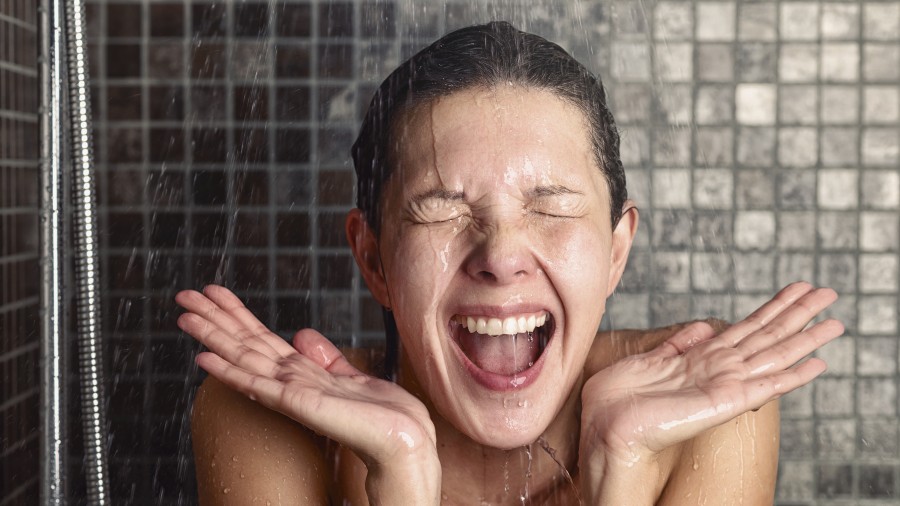
What is cold water therapy?
Cold water therapy simply means exposing your body to cold water. This can range from a quick cold shower at home to fully submerging yourself in very cold water, like a polar plunge.Are there health benefits?
Many people feel great after cold water exposure, and some science suggests there are good reasons why.- Boosts your mood and energy - A sudden splash of cold water can make you feel more awake and focused.
- Supports circulation - Cold water causes your blood vessels to narrow and then widen when you warm up.
- Soothes sore muscles - Athletes often use cold plunges to help reduce muscle soreness and swelling after strenuous workouts.
- May support your immune system - Some research hints that regular cold water exposure could help your immune system fight off sickness, potentially leading to fewer sick days.
- Temporary metabolism boost - Your body works harder to stay warm in cold water, which can temporarily increase how many calories you burn.
When to be careful
While exciting, cold water therapy isn't for everyone and carries some serious health risks. It's crucial to understand these before trying it.- Cold shock response - The most immediate danger is something called "cold shock." When you suddenly enter cold water, your body can gasp for air, your breathing becomes very rapid, and your heart rate and blood pressure can increase quickly.
- Heart problems - Anyone with existing heart conditions, high blood pressure, or a history of stroke should be extremely cautious or avoid cold water therapy altogether.
- Hypothermia - Staying in cold water for too long can dangerously lower your body's core temperature, leading to hypothermia.
- Breathing difficulties - For people with asthma or other lung conditions, the cold shock can trigger hyperventilation or make breathing difficult.
Is it safe for you?
The most important step before trying cold showers or polar plunges is to talk to your healthcare provider. This is especially true if you:- Have any heart conditions, including high blood pressure or a history of heart disease.
- Have lung conditions like asthma.
- Have circulatory problems (like Raynaud's phenomenon).
- Have diabetes.
- Have severe anxiety or panic disorders.
- Are pregnant.
- Are taking medications, especially for blood pressure.
Tips for a safer experience (if appropriate)
While cold plunges may offer some health benefits for healthy individuals who practice them safely and gradually, they also carry significant risks, especially for people with heart conditions or other medical problems. Evidence supporting health benefits is still emerging and largely based on small studies.If you decide to try cold plunges:
- Start gradually with cold showers before attempting full immersion.
- Never plunge alone. Always have someone nearby for help if needed.
- Start with warmer temperatures and shorter durations.
- Get out immediately if you feel chest pain, severe shivering, confusion, or difficulty breathing.
- Avoid submerging your face initially.
- Never jump or dive into cold water.
While the idea of cold water therapy might sound invigorating, always prioritize your safety and health. Consult your healthcare provider, listen to your body, and ease into it wisely.
