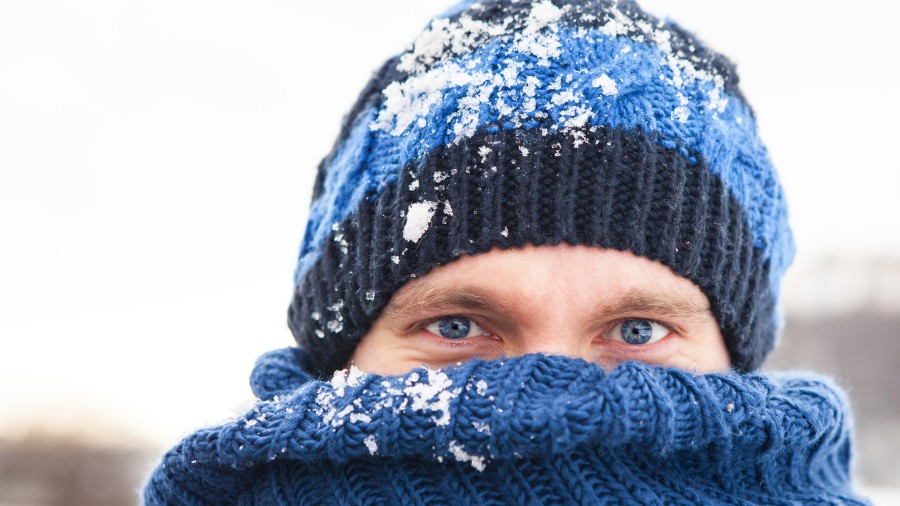
While it might sound like something out of a science fiction movie, some people do experience an allergic reaction to cold temperatures. This rare condition, called cold urticaria, affects roughly 6 out of every 10,000 people.
What is cold urticaria?
When someone with cold urticaria is exposed to cold, their body releases chemicals called histamines. These histamines cause symptoms such as itchy, red welts (hives) on the skin, redness and swelling in the affected areas, or a burning sensation.
These reactions usually appear within minutes of cold exposure and can last for an hour or two. While most reactions are mild, a severe allergic reaction called anaphylaxis can occur in some cases, which is a medical emergency. If you suspect you have cold urticaria, consult with your healthcare provider or allergist.
Beyond allergies: Protecting yourself from winter's chill
While cold urticaria is uncommon, everyone should take precautions against the cold to prevent more common and serious health risks, such as frostbite and hypothermia. These conditions can affect anyone exposed to extreme cold, regardless of allergies.
Frostbite happens when body tissue freezes. It most often affects exposed areas such as the fingers, toes, ears, and nose. According to the Centers for Disease Control and Prevention (CDC), skin may appear reddish, bluish, or grayish-white. It may feel stiff or waxy, and the affected area may be numb.
Hypothermia is an even more serious condition where your body loses heat faster than it can produce it, causing your core body temperature to drop dangerously low. The National Institute of Health (NIH) explains that hypothermia can occur when you are exposed to cold temperatures for a long time. Symptoms can include shivering, confusion, slurred speech, and drowsiness.
Essential tips for staying warm and safe
Protecting yourself from the cold is crucial for everyone. Here are key tips to keep warm and prevent cold-related injuries:
1. Dress in Layers: This is perhaps the most important advice. Layers trap warm air and can be removed or added as needed.
2. Cover Exposed Skin: Wear a hat, gloves or mittens, and a scarf to protect your head, ears, hands, and neck. Since most body heat is lost through the head, wearing a warm hat is important.
3. Be Prepared: Keep extra warm clothing in your vehicle and always dress for the weather, even if you are driving in a car or getting dropped off somewhere. An unexpected breakdown or car accident could leave you stranded, cold, and at risk for frostbite or hypothermia.
4. Stay Dry: Wet clothing loses its insulating properties quickly, making you more vulnerable to cold. If your clothes get wet, change into dry ones as soon as possible.
5. Limit Time Outdoors: On very cold or windy days, try to minimize your time outside. Take breaks indoors to warm up.
6. Stay Hydrated and Nourished: Eating well and drinking warm, non-alcoholic beverages can help your body maintain its core temperature.
7. Recognize Warning Signs: Be aware of the symptoms of frostbite and hypothermia in yourself and others. If you suspect either, seek medical attention immediately.
By taking these simple steps, you can enjoy the winter season safely and comfortably, whether you have cold urticaria or not!