
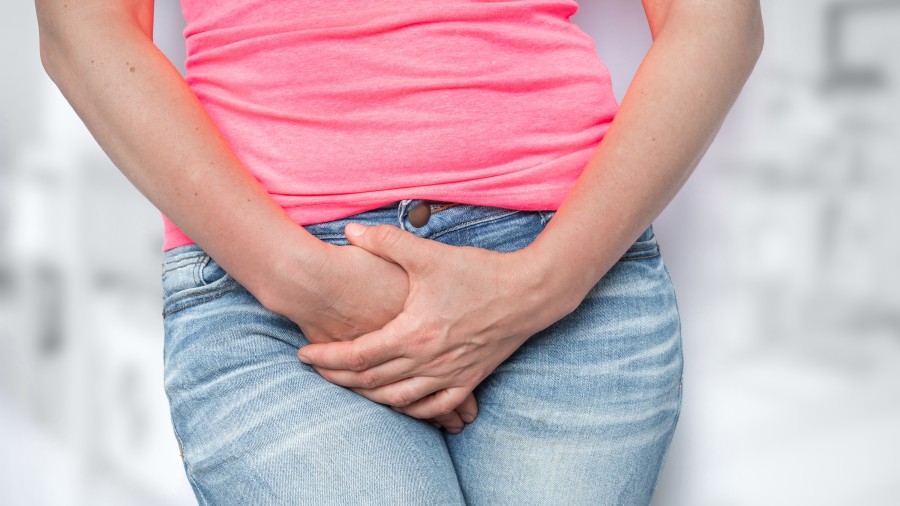
Many women experience bladder leakage, but it's often a topic surrounded by silence and embarrassment. If you sometimes leak urine when you cough, laugh, sneeze, or exercise, or if you suddenly feel a strong urge to go and don't always make it to the bathroom in time, you are not alone.
Urinary incontinence (UI) is a common condition, affecting millions of women. The good news is that there are many ways to manage and even treat it. Let's talk openly about this common women's health issue.
What exactly is urinary incontinence?
Urinary incontinence is simply the accidental leakage of urine. It happens when the muscles that control urine flow do not work as they should. While it can affect anyone, it's more common in women due to differences in anatomy, pregnancy, childbirth, and menopause. Understanding the type of incontinence you have is the first step toward finding relief.
The two most common types are:
- Stress incontinence: This happens when physical activity or pressure on your bladder causes urine to leak. Think of laughing, sneezing, coughing, lifting, or exercising. It's often due to weakened pelvic floor muscles that support the bladder and urethra.
- Urge incontinence (or overactive bladder): This is characterized by a sudden, intense need to urinate, followed by an involuntary loss of urine. You might feel like you can't hold it long enough to reach the toilet. This can be caused by nerve damage or by bladder muscles contracting too often.
Sometimes, women experience a mix of both types, known as mixed incontinence.
Why does this happen to women?
Several factors can increase a woman's risk of developing UI:
- Pregnancy and childbirth: These can weaken pelvic floor muscles and damage nerves.
- Menopause: Lower estrogen levels after menopause can affect the health of the bladder and urethra.
- Chronic constipation: Constipation is an extremely common and big culprit of worsening UI.
- Aging: UI is not a "normal" part of aging; however, the risk can increase with age.
- Obesity: Extra weight puts more pressure on the bladder and pelvic floor muscles.
- Certain medical conditions: Conditions like diabetes, stroke, or multiple sclerosis can affect nerves that control the bladder.
- Hysterectomy: This surgery can sometimes affect pelvic floor support.
When should you seek help for UI?
If bladder leakage is affecting your daily life, causing you discomfort, or limiting your activities, it's definitely time to talk to a healthcare provider. Primary care providers often ask about this during physical exams, but if it doesn't come up, be sure to bring it up yourself during the visit. In fact, you should mention it at any medical appointment, regardless of the reason for your visit. Don't feel ashamed or embarrassed; they have heard it all before and are there to help. Your healthcare provider can help you understand the cause of your incontinence and recommend the best treatment plan.
Effective ways to manage and treat UI
The good news is that many effective treatments are available! Your healthcare provider might suggest:
- Cut back on bladder irritants: Simple shifts like cutting back on caffeine, carbonated beverages, artificial sweeteners, and alcohol can make a big difference.
- Pelvic floor exercises: Some patients have tension in their pelvic floor muscles that can worsen UI; others need to focus on strengthening (Kegels). A physical therapist specializing in pelvic floor health can help determine the appropriate care plan for your pelvic floor needs.
- Bladder training: This involves learning to resist the urge to urinate and gradually increasing the time between trips to the bathroom.
- Medications: Prescription medications can help calm an overactive bladder and improve bladder control.
- Medical devices: Options like vaginal inserts can help support the urethra.
- Surgery: For some women, surgical procedures can offer long-term relief, particularly for stress incontinence.
Living with urinary incontinence doesn't have to mean living with discomfort or avoiding your favorite activities. By speaking up and seeking help, you can find solutions that empower you to regain control and live life to the fullest.
